
I finally jumped from my Sony A6600 to a Sony A7CR. The move from APS-C to full-frame wasn’t that dramatic — look, compose, shoot — is still the same. What blows me away is what one can do with all of that data, and no I’m not swooning about the depth in RAW files. I don’t shoot RAW; I tried and it was pain for a non-professional (to me, RAW does not “spark joy”). However, because I can and it doesn’t wreak havoc with storage and my workflow, I now shoot in 10-bit HEIC 4:2:2. My new approach is quite simple.
Megapixels matter.
The leap to 60MP has made brought my old photographic style to life again. Back in the days of film, I did some amount of darkroom work and what I loved about that was shooting on high resolution film and blowing shots up to reveal the tiniest of details. The same approach in digital is fraught with so many problems, but the most obvious is pixelization. Crop into/blow up a low resolution image and it is a mess. Take a medium resolution image and it is fine. But for me, I want to dig into the little things and a lot of pixels make a huge difference (which is why I am so taken by Hasselblad’s X2D II 100C marketing campaign right now).
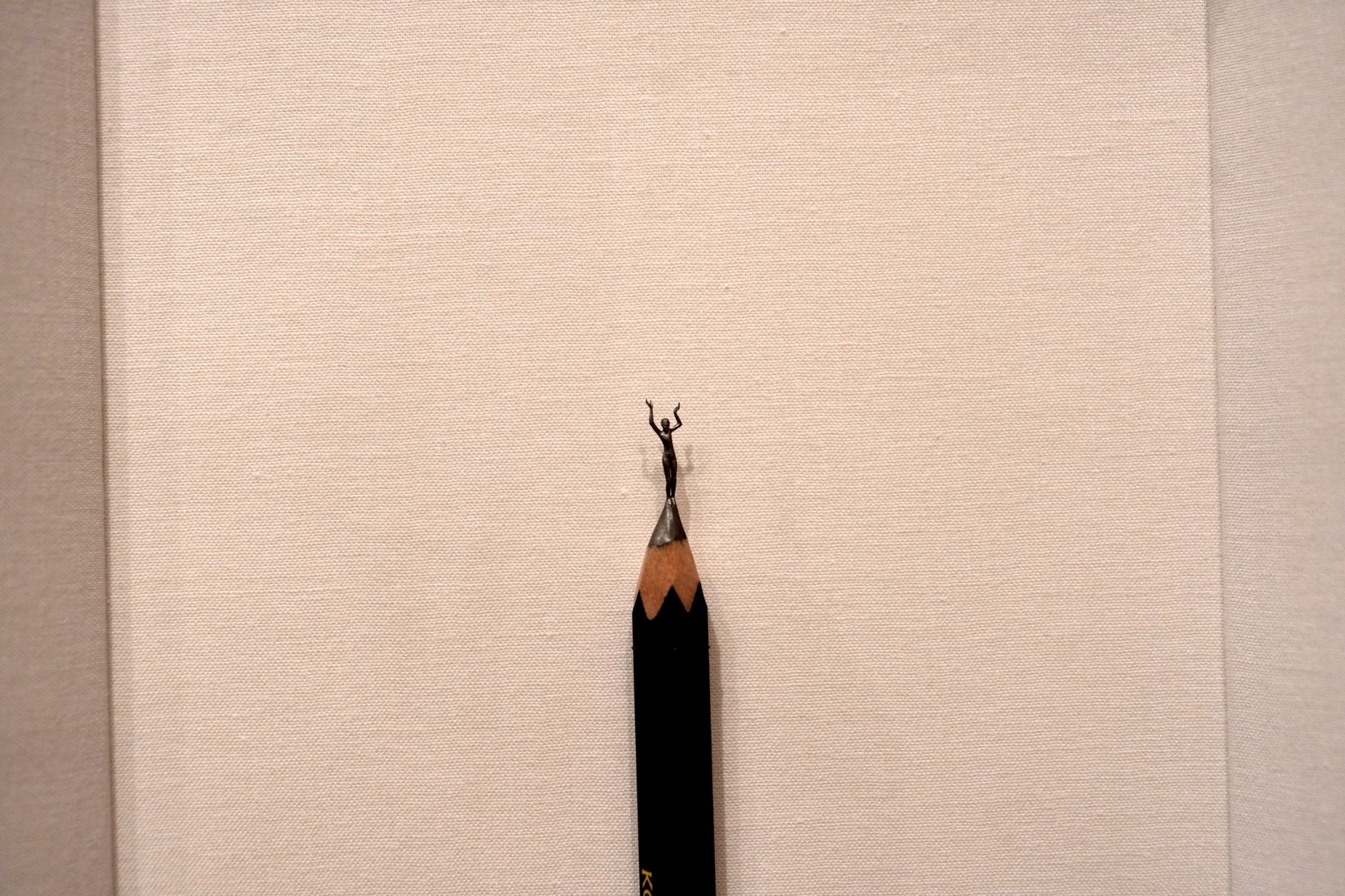
The banner image of this page is a sculpture carved into the tip of a #2 lead pencil. Here is the original framing of the shot with my A7CR using the Sony 24-50mm set at 50mm f/4, which was the closest I could get with my lens against the glass of the case:
What I’ve captured below is a 1080×1080 crop of the sculpture suitable for posting on Instagram:
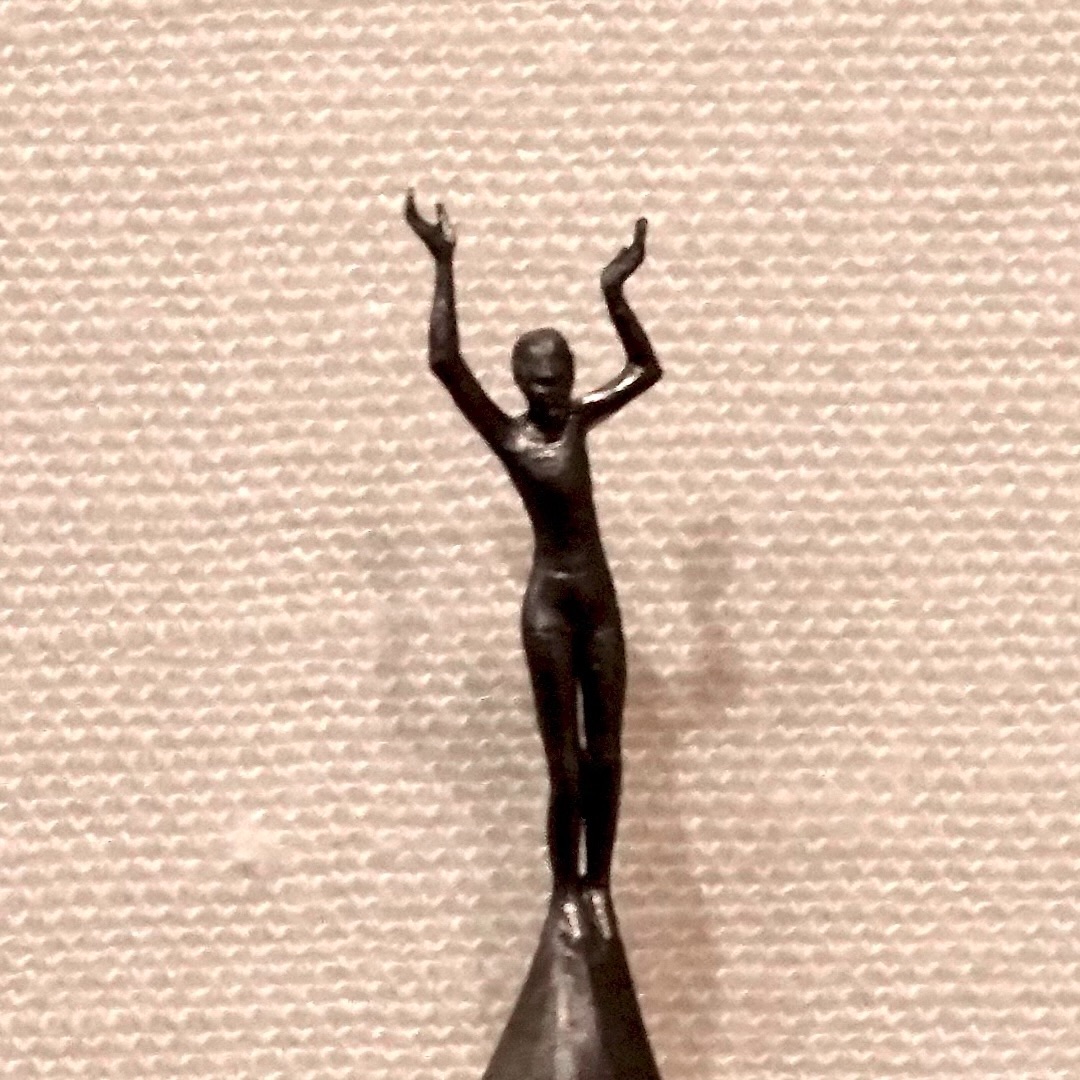
Could the image be sharper? Sure. Is the weave of the fabric a bit funky in terms of color? Most certainly. Is the lens ideal for this use case? No, but throw on a macro and we’d be able to make out the knife strokes! If you want to see the original file, I have uploaded a 180MB TIFF version as a reference (I couldn’t figure out how to load the HEIC original without WordPress converting it to a JPG). All of that picture quality stuff isn’t the point (pun intended). What matters is that I now have a photographic canvas to crop and manipulate an image without it falling apart because of bad data. And because this is a 10-bit image, the color and subtle transitions are still there.
Would it be better in RAW, yes, but again, my workflow fails and photography ceases to be fun. To be honest, I’d never crop in to a 1:1 image as that whole pixelization and rasterization thing happens, which drives me batty. But instead of being limited to maybe a 50% crop, I could creep into 20% and still have something useful. Toss in some sharpening and the image could become what I imagine.
This style is something I locked onto in college during a drawing class. I used to go outside in Uptown New Orleans, sit on a sidewalk, and sketch a tiny detail on an old building from about 30 feet away. What pulled me in was the fuzziness of perception. What I saw walking by was a doorframe, but when I stopped to sketch it, I could make out how the light changed the frame through the lens of my eye and mind. Yeah, I listened to too much alternative art rock back then, too, but the style stuck with me.
About a decade later when I was at the University of Chicago, I was giving a talk at a conference on imaging and needed something small that could be printed big (a small text blown up in high fidelity to a 4′ tall image). We had recently acquired the highest resolution flatbed scanner in Chicago, and we needed some test images. The scanner could generate a 26GP (26,000MP) image in 16-bit color in a single, very slow scanning pass. Looking at the grain structure of a photograph wasn’t good enough — I wanted something old and analog.
I approached Special Collections Research Center and asked if we could scan an illuminated text that had a broken binding. The librarians were a bit confused, but I shared that I wanted a broken book so it could be placed on the scanner without causing further damage. After considerable and very necessary thought, they found a text in the collection that was being worn out from studying it too much — the “Archaic Mark” (Greg.-Aland 2427) from the university’s Goodspeed collection. In return, the would get incredible scans of a text that had seen far better days. I scanned two leaves from the “Archaic Mark”, which together were about 4″x6″ in size, generated a 3GP (3,000MP) image and we printed a poster at 4 feet by 6 feet at 1200dpi without any loss in resolution or fidelity.

The image above is a low resolution 12MP of version of one the two leaves from the Archaic Mark, which can be viewed in its entirety within the Goodspeed Collection at the University of Chicago. One of the things that is difficult to see with the naked eye is the result of the dice roll in the center of the image.
As luck would have it, while we were looking at the images Dr. Margaret Mitchell stopped in the office. She was suddenly intrigued by what was on the screen and immediately asked us to navigate around the image. It turns out that at the time, the Archaic Mark was the focus of her research. In that office and at that moment, she made a number of discoveries that were indiscernible to the naked eye. Digital imaging and the ability to crop into the most minute areas of detail mattered. In fact, megapixels, no gigapixels mattered and scholarship around that particular manuscript changed.
In the end, my new approach is actually the rediscovery of an old one — seek a larger canvas to inspire my curiosity in minutiae and feed my creativity.