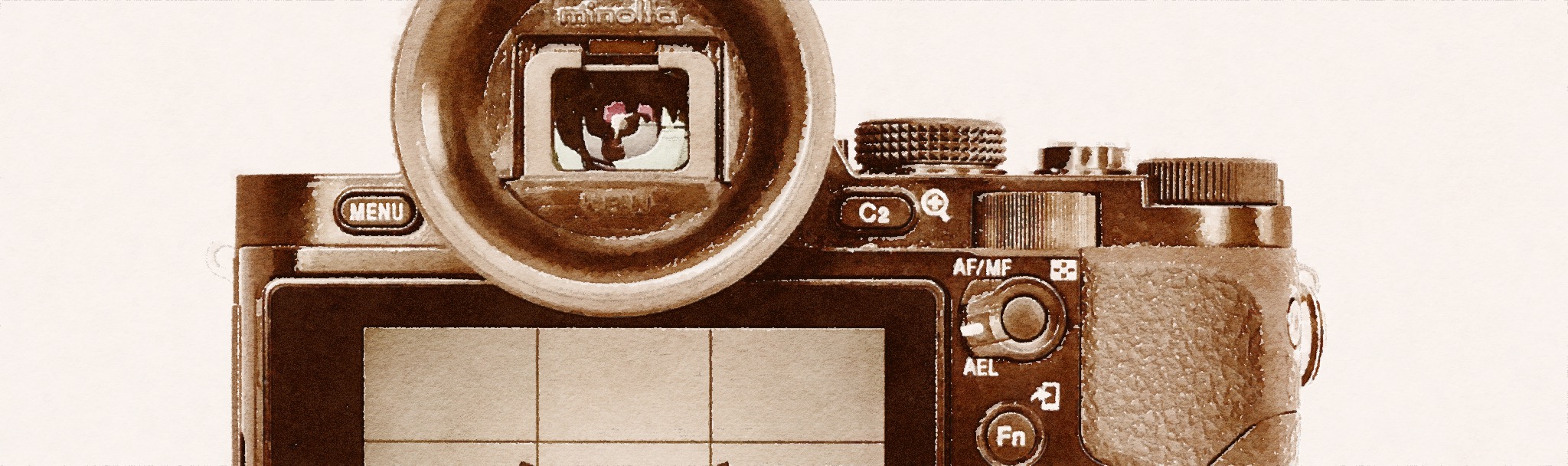
I’ve shot a lot of black and white, but mostly on instinct; I either shot an image natively in monochrome (film and digital) or liked how something looked and converted it. Instinct rather than process guided me. I never really had a framework for thinking about why a monochrome image works — until now.
This piece by Darren Pellegrino on PetaPixel cuts through the usual “learn the rules” photography advice and gets at something more useful. His argument is simple: technically correct black and white photos fail not because of bad gear or bad editing, but because they’re missing one or more of three things working together — Light, Composition, and Story. He calls it the Monochrome Triangle.
The part that stuck with me is how he treats these three as interdependent rather than separate checkboxes. Light shapes what compositions are available. Composition determines which story can be told. And story dictates what light and framing you should be hunting for in the first place. Let any one of them fall short, and the whole image weakens regardless of how strong the other two are.
His central question — “why does this matter?” — is the kind of thing you can actually ask yourself before pressing the shutter. That’s the practical value here. It’s not a technique so much as a habit of mind.
Reading it, I could see it reflected in my own work; the shots I’m proudest of had all three things happening. The forgettable ones usually didn’t.
This piece is something that caught my attention, so I thought I’d capture it as a tidbit. The Claude synopsis above may have an errant AI hallucination or two. Please support the original author(s) and visit their site for the whole story and accurate information: